Help Track Monarch Butterflies Across Linn County This Summer
Jun 03, 2026
Learn how to download and set up the Project Monarch Science app so you're ready to help track tagged monarch butterflies throughout Linn County during our Monarch Tagging Project - beginning July 2026!

This summer, you can use your smartphone to search for monarchs in Linn County and help uncover the hidden journeys of these incredible butterflies.
Monarch Research, in collaboration with Iowa State University researcher Dr. John Pleasants, is embarking on an exciting community science project that will use cutting-edge technology to track monarch butterflies throughout Cedar Rapids, Marion, and surrounding areas. Tiny Bluetooth transmitters - each weighing only about 0.06 grams, roughly the weight of a grain of rice - will be attached to a limited number of monarchs, allowing researchers to learn where they travel, which habitats they use, and how they move across our landscape.
The best part? Anyone with a smartphone can help.
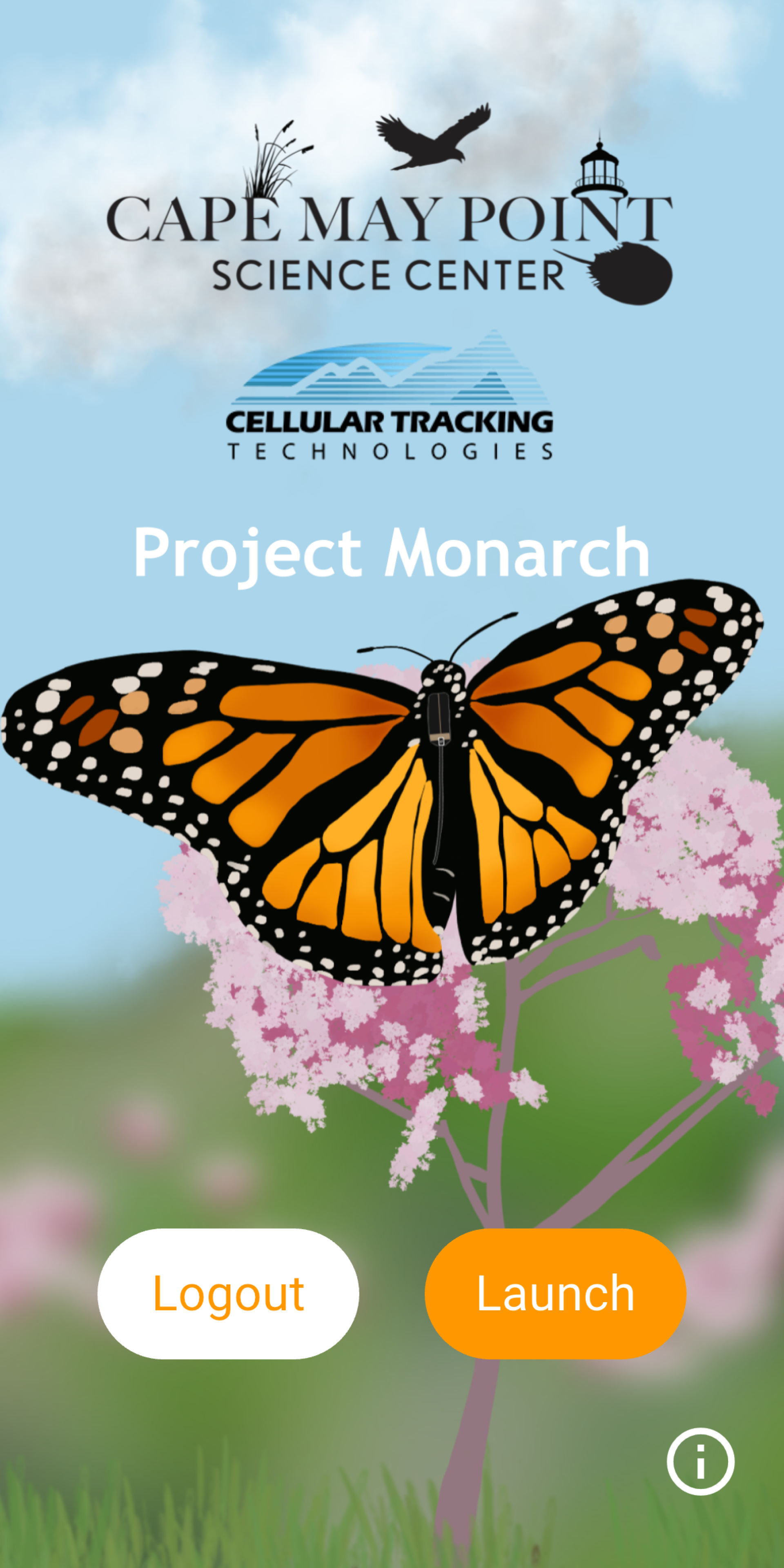
By downloading the free Project Monarch Science app, your phone becomes part of a wildlife tracking network that helps detect tagged butterflies as they move through the community. The technology was developed by Cellular Tracking Technologies and the Cape May Point Arts & Science Center and has already helped create one of the largest community-powered wildlife tracking efforts ever attempted.
Why Download the App?
Every tagged monarch carries a tiny transmitter that broadcasts on the same frequency as Bluetooth. When your phone comes within range of a tagged butterfly, the app can detect it and record valuable scientific data. Researchers can then use those detections to better understand monarch behavior, habitat use, and movement patterns.
For Monarch Research's 2026 study, tagged monarchs will be released throughout the Cedar Rapids and Marion area beginning in mid-July, with tracking continuing for approximately six weeks.
Every detection helps build a clearer picture of monarch activity across Linn County.
INSTRUCTIONS FOR DOWNLOADING THE APP
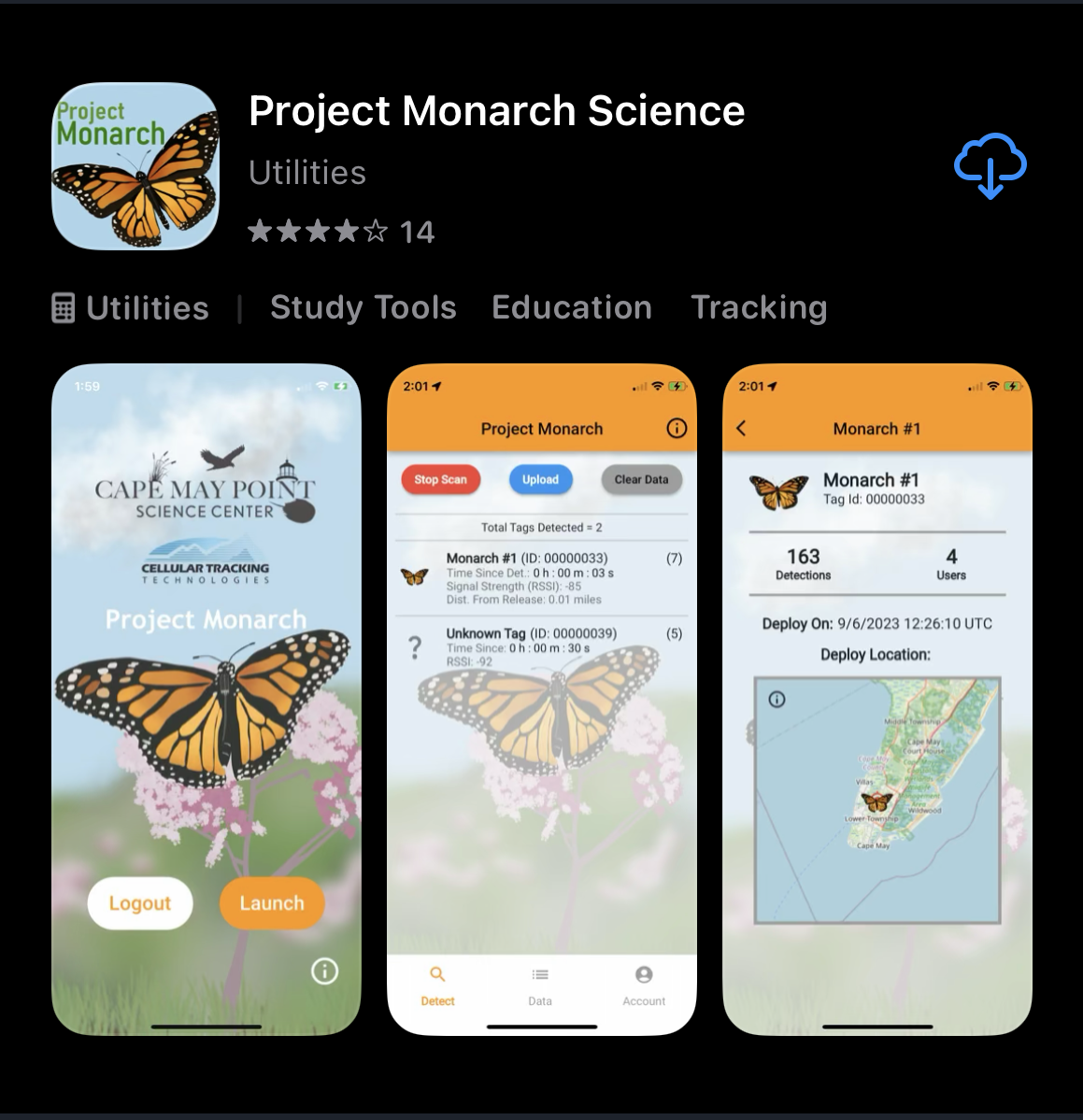
Step 1: Download the Project Monarch Science App
Search for "Project Monarch Science" in the Apple App Store or Google Play Store.
The app is free to download and available for both iPhone and Android devices.
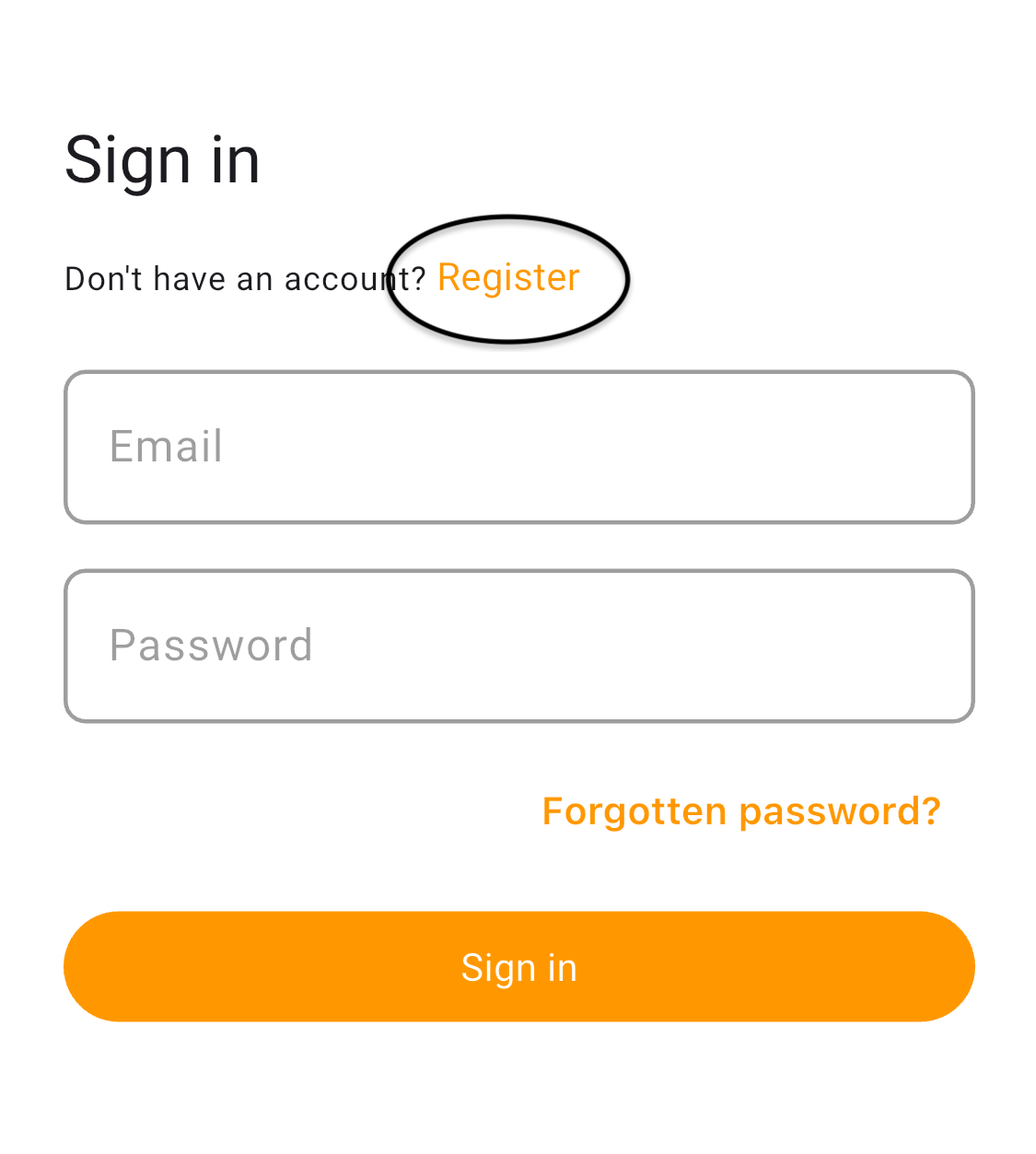
Step 2: Create Your Free Account
After opening the app, you'll be prompted to either:
- Sign In (if you already have an account) or
- Register for a new account (most people will need to go this route)
Creating an account only takes a minute and allows your detections to be uploaded to the Project Monarch database.
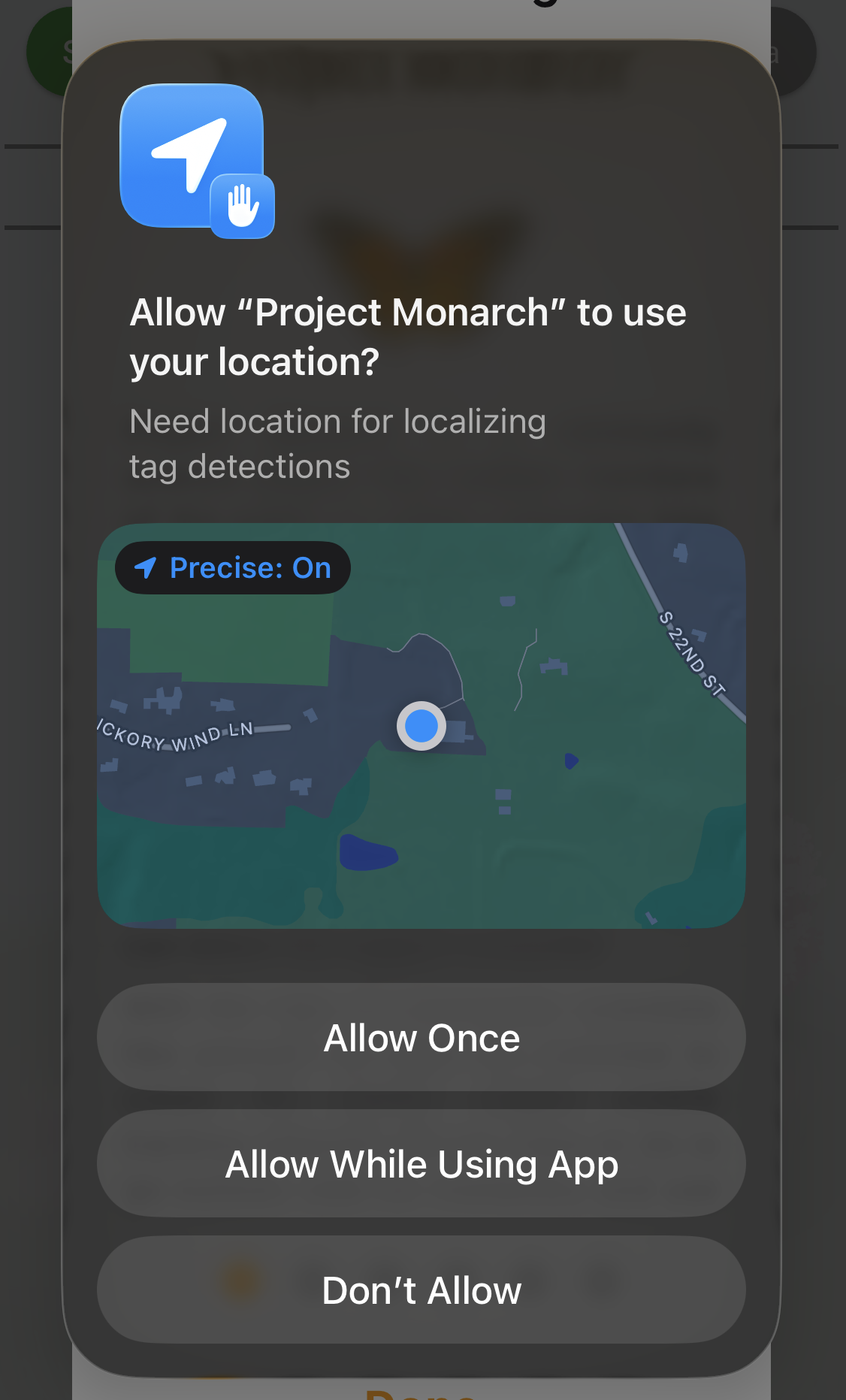
Step 3: Allow Location Services
The app will ask permission to access your location.
This is important because detections are much more valuable when researchers know where the tagged monarch was detected.
When prompted, select:
"Allow While Using App"
and make sure Precise Location is enabled if your phone offers that option.
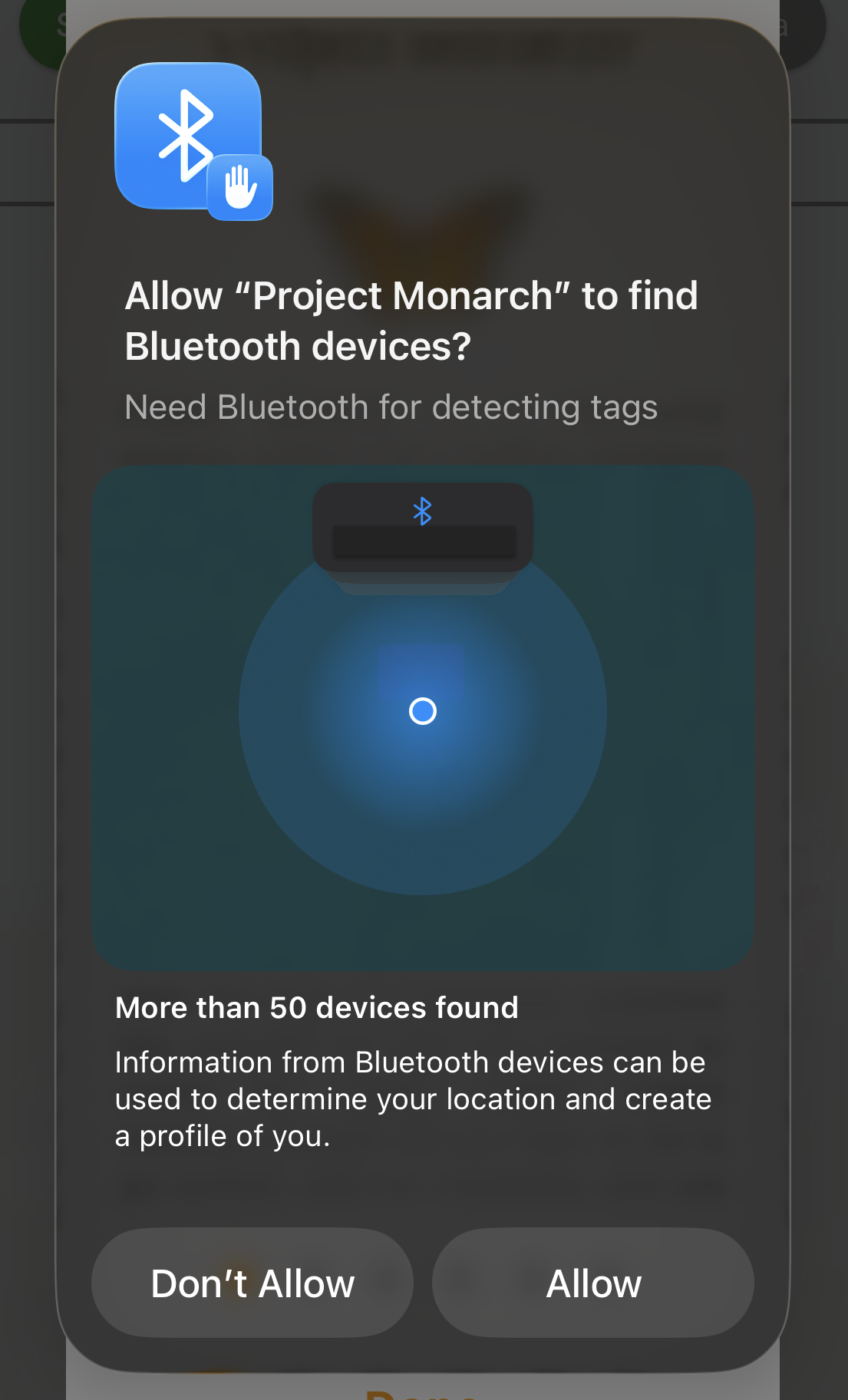
Step 4: Turn On Bluetooth
Project Monarch uses Bluetooth technology to detect nearby tags.
Before using the app, make sure:
✔Bluetooth is turned on
✔The app has permission to use Bluetooth
Without Bluetooth enabled, your phone won't be able to detect tagged monarchs.
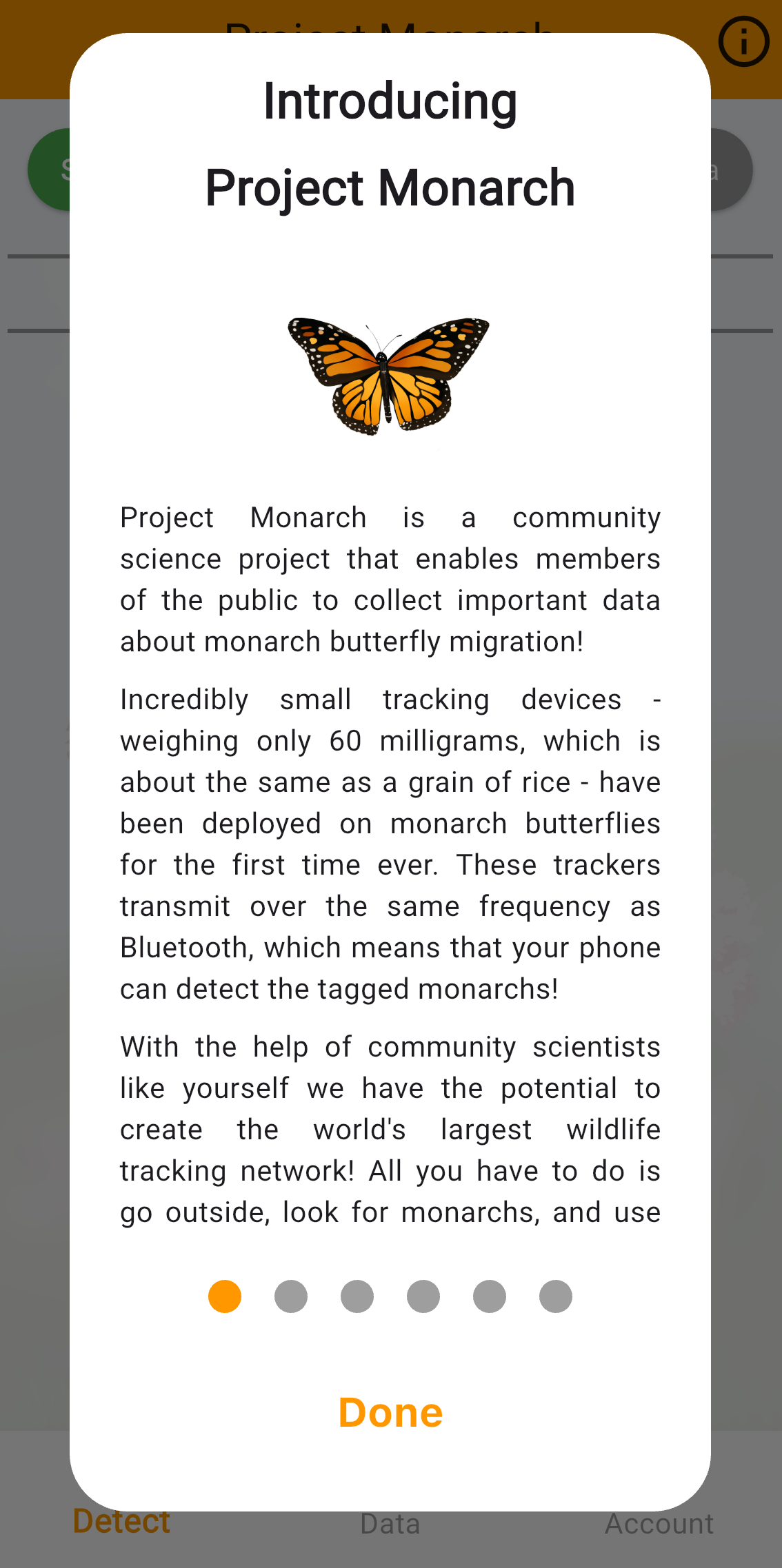
Step 5: Complete the Quick Tutorial
The first time you launch the app, you'll see a short introduction explaining how the system works.
The tutorial covers:
- What Project Monarch is
- How scanning works
- What happens when a tag is detected
- How to upload detections
- Leaderboards and badges
It's worth taking a few minutes to review these screens before your first outing.
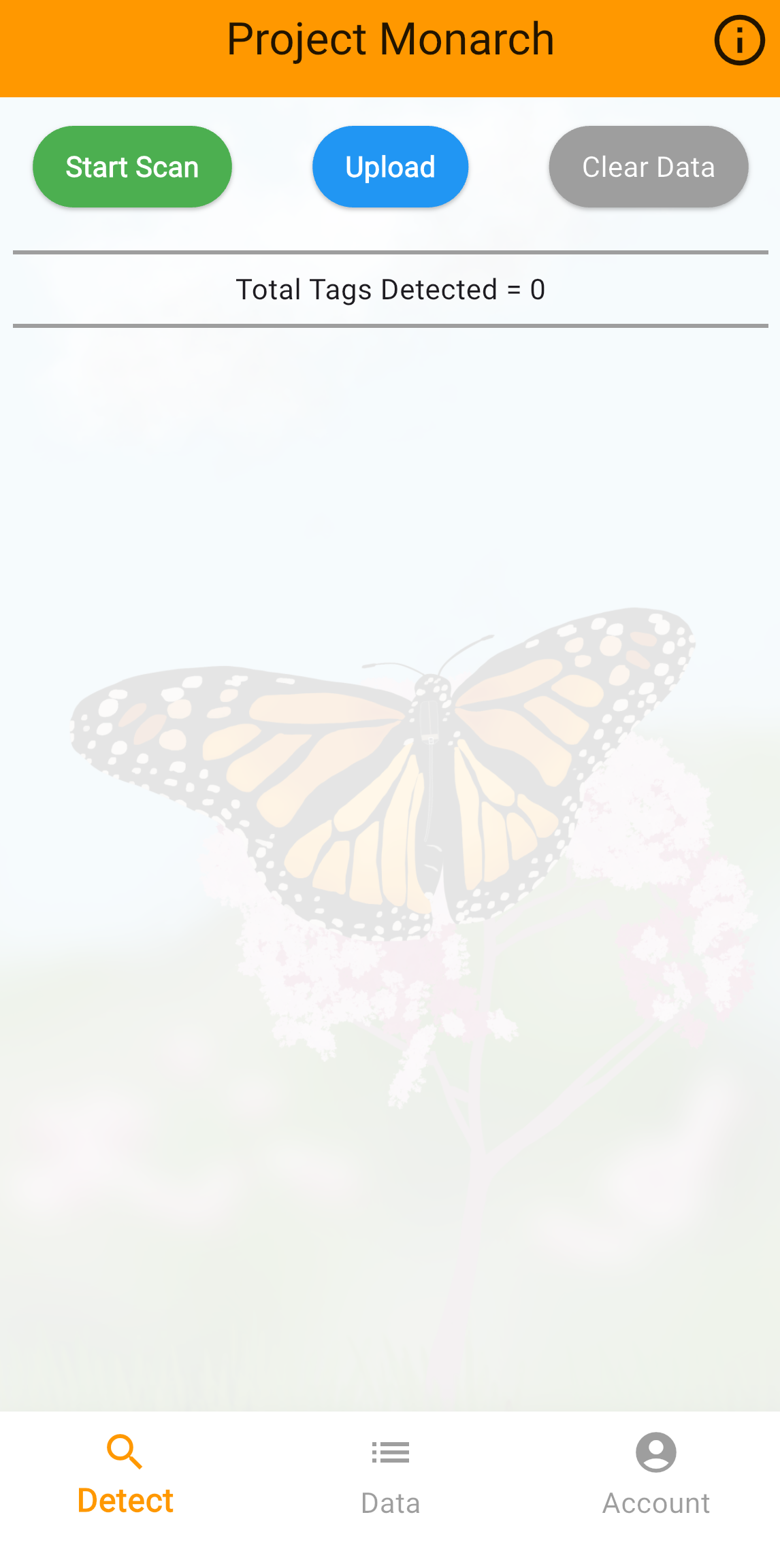
Step 6: Get Familiar with the Scanning Screen
Once you've completed setup, you'll arrive at the app's main Detect screen. This is where you'll eventually scan for tagged monarchs during the Monarch Tagging Project.
You'll notice three main buttons:
- Start Scan – Begins searching for nearby tagged monarchs
- Upload – Sends detections to the Project Monarch database
- Clear Data – Removes stored detections from your device
At this time, you do not need to actively scan for monarchs.
Monarch Research will begin releasing tagged monarchs throughout Cedar Rapids and Marion in mid-July. Until then, the best thing you can do is download the app, create your account, enable Bluetooth and Location Services, and become comfortable with how the app works.
What Happens Once Tagged Monarchs Are Released?
Beginning in mid-July, Monarch Research staff will release monarch butterflies equipped with tiny Bluetooth transmitters throughout Linn County. Tracking will continue for approximately six weeks. You can contribute by opening the Project Monarch Science app on your smartphone and clicking the green 'Start Scan' button - this triggers the app to record any tagged monarchs within range nearby (approximately 100–200 feet). No need to leave the app open on your smartphone - it will continue to record detections as you go about your daily activities such as:
- Gardening
- Walking trails
- Visiting parks
- Biking
- Attending outdoor events
- Enjoying time outside
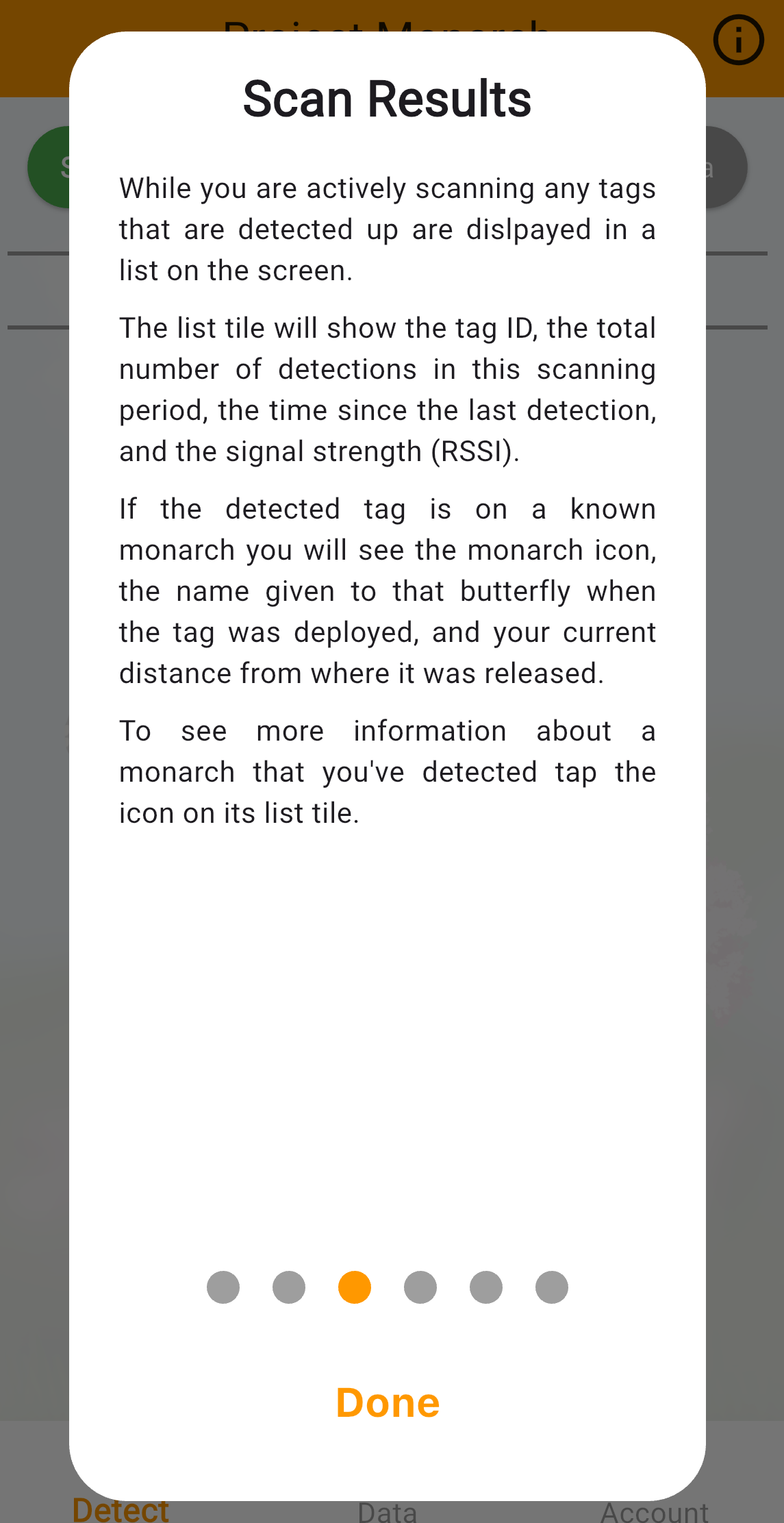
Step 7: Review Your Scan Results (Beginning mid to late July)
Once tagged monarchs are released and detections begin occurring, any tags picked up by your phone will appear in the Scan Results area of the app. Search for any that start with "MRS-"
The app may display:
- Tag ID
- Number of detections
- Signal strength
- Time since last detection
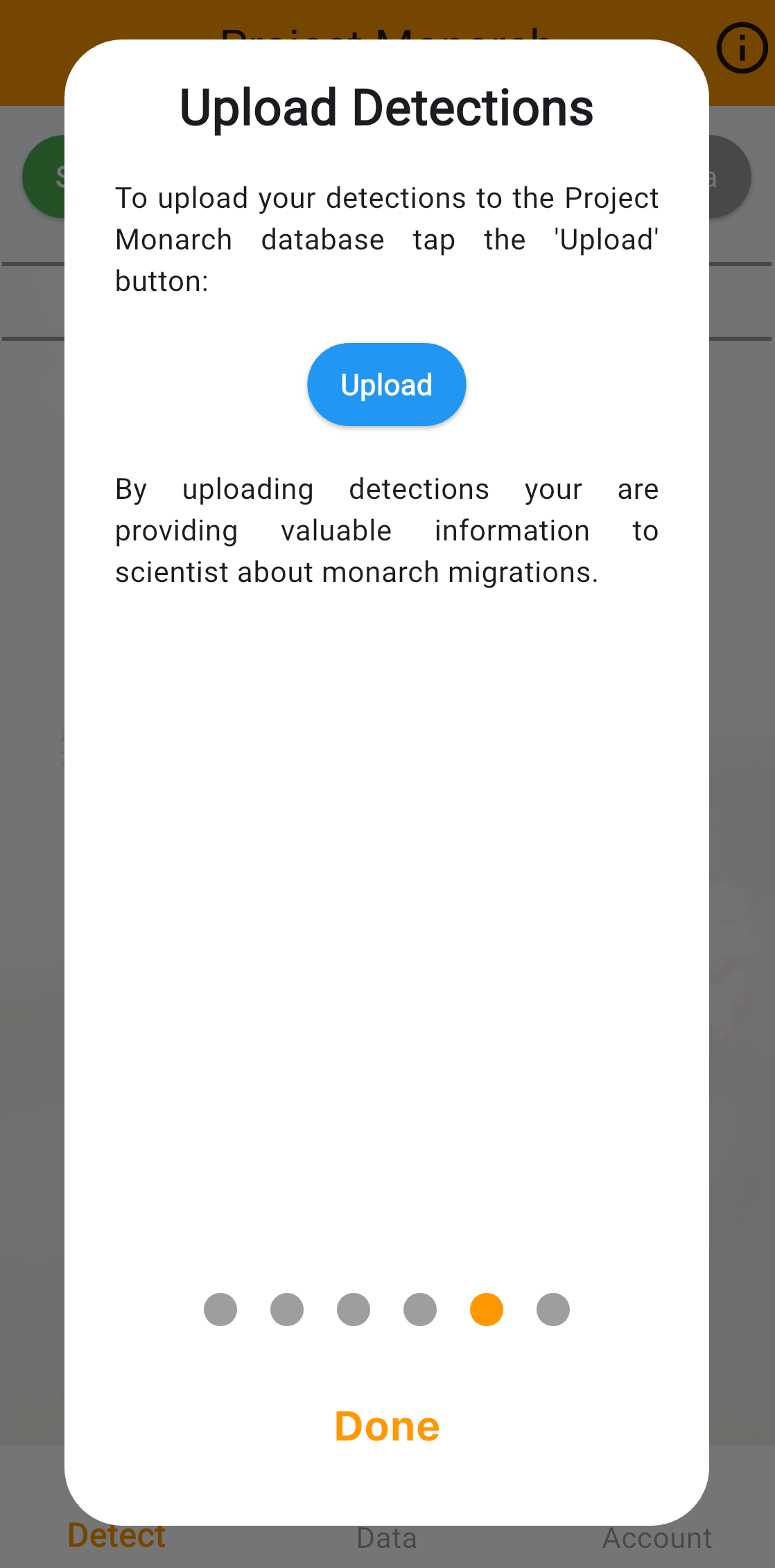
Step 8: Upload Detections to Support the Research
After tagged monarchs are released and you've collected detections, tap Upload to send your data to researchers.
Each uploaded detection helps scientists better understand:
- Where monarchs travel
- Which habitats they use
- How they move through Linn County during the breeding season
Every upload contributes to the success of the Monarch Tagging Project and helps build a clearer picture of monarch behavior right here in our community.
___________________________________________________________
Frequently Asked Questions
When should I start using the app?
Monarch Research will be releasing tagged monarchs beginning Wednesday, July 15 at 10am at Noelridge Park Greenhouse. Download the Project Monarch Science App ahead of this exciting event so you're ready to track monarchs in real time at this release event!
Will the app drain my battery?
Like any app using Bluetooth and location services, some additional battery use is expected. However, most participants find they can run the app during normal outdoor activities without significant issues.
Do I need to actually see a butterfly?
No! The app can detect nearby tagged monarchs even if you never visually spot the butterfly.
How far away can a monarch be detected?
Detection distance varies depending on conditions, but typically ranges up to approximately 100–200 feet.
__________________________________________________________
Be Part of Something Unique
This project combines conservation, technology, and community science in a way that's never been done before in Linn County. By simply downloading an app and carrying your phone outdoors, you can help researchers answer important questions about monarch butterflies and contribute to future conservation efforts.
So before the first tagged monarchs take flight this July:
✔ Download the Project Monarch Science app (available for Android and iOS)
✔ Enable Bluetooth
✔ Enable Location Services
✔ Create your account
✔ Be ready to scan
Together, we can help uncover the hidden journeys of Linn County's monarch butterflies. 🦋