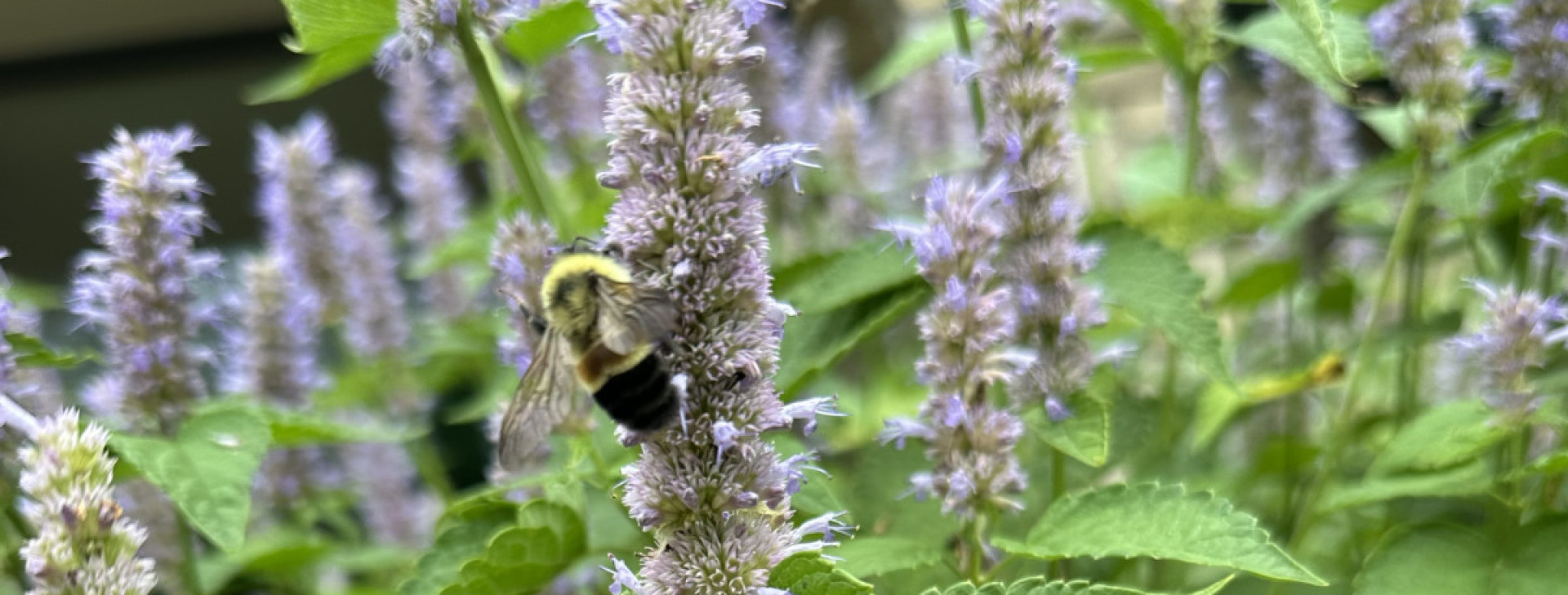
Federally Endangered Rusty Patched Bumble Bee Spotted at Monarch Research Station
Sep 30, 2026
In late August, the federally endangered Rusty Patched Bumble Bee was spotted at the Monarch Research Station. This rare and hopeful sighting was not only exciting, but an important reminder of what is possible with prairie conservation and planting native.
Federally Endangered Rusty Patched Bumble Bee Spotted at Monarch Research Station
In late August, we spotted something rare and hopeful on the Monarch Research property - the federally endangered Rusty Patched Bumble Bee. This sighting was not only exciting, but an important reminder of what is possible with prairie conservation and planting native.
Across Monarch Research’s 80 acres of restored prairie, native grasses, wildflowers and trees, we are helping create a habitat rich with food, shelter, and seasonal resources for countless bees, butterflies and other pollinators. When threatened species find their way to restored habitat, it affirms a powerful truth: planting native can help reconnect the ecosystems that wildlife depends on.
“This is exactly the kind of discovery that reminds us why restoring native habitat matters,” said Clark McLeod, Founder and CEO of Monarch Research. “We're not simply planting flowers and trees. We're rebuilding pieces of an ecosystem. When a federally endangered species finds its way to habitat we've worked to restore, that's incredibly encouraging.”
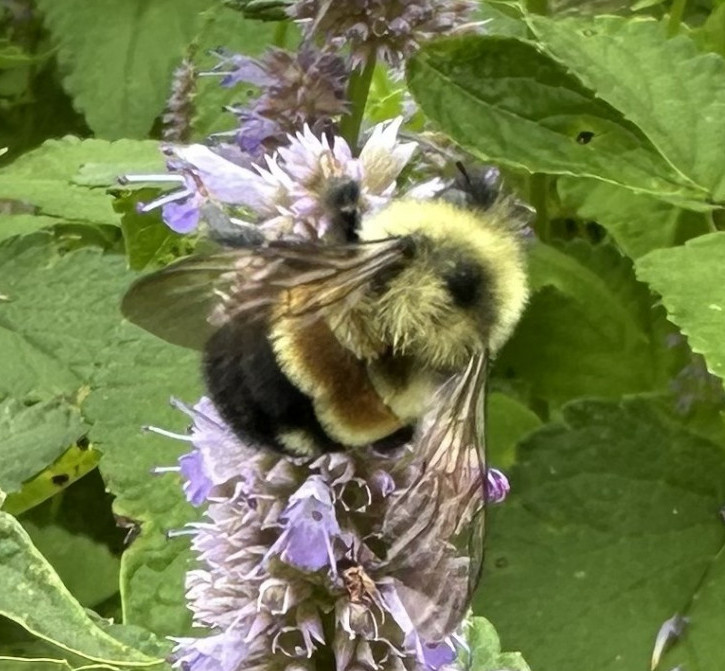
Photo above courtesy of Ann Hammond: Ann and Chuck Hammond have converted portions of their SE Cedar Rapids property into native planting areas and have spotted the Rusty Patched Bumble Bee around their yard for the past three years.
Planting for Hope: What One Rare Bumble Bee Can Teach Us
For the first time in Monarch Research’s 10-year history, the federally endangered Rusty Patched Bumble Bee was documented at the Monarch Research station in Marion, Iowa. The sighting offers a powerful reminder that when we make room for native plants, we make room for life - an encouraging sign for the future of native habitat in Linn County.
Across the station’s 80-acre prairie, countless pollinators depend on a diverse mix of native flowers, grasses, and trees for nectar, pollen, cover, nesting opportunities, and places to overwinter. Monarch butterflies, native bees, beneficial insects, birds, and other wildlife all benefit from healthy habitat that provides resources throughout the growing season. The Rusty Patched Bumble Bee’s presence is especially meaningful because it shows that restored prairies – whether on private or public land - can become part of the larger network of habitat endangered species need to survive.
Native planting is not simply about creating a beautiful natural space. It is about rebuilding an ecosystem – one that supports the pollinators people rely on. When invasive plants and conventional turf are replaced with native trees, grasses and flowering plants, the outcome can be greater biodiversity, healthier soil, and more resilient places for wildlife to find refuge.
Landscape diversification is the ultimate goal; to transform regions like Linn County into an area with interconnected habitat through smaller scale alterations on individual private property.
The work can begin on any scale.
A single yard, garden bed, or a patio container can make a huge difference. Native plantings become steppingstones across a community - connecting larger habitat areas that provide bees, butterflies and other wildlife more places to feed and rest. When many residents take small actions, those actions add up to lasting results that benefit people and nature.
The Value of Habitat Restoration: A Community-Wide Approach to Conservation
At the heart of Monarch Research’s programs is a community-wide approach that makes habitat restoration accessible and easy.
Through Native Oasis, Linn County homeowners can transform portions of their yards with high-value native plantings designed to support pollinators. The program helps residents create landscapes that are both beautiful and purposeful, places where native plants (such as wild bergamot, blazing star, swamp milkweed, and showy goldenrod) can grow to can provide nectar and pollen, where grasses can offer cover, and where wildlife can thrive close to home. Whether someone has a small garden bed or a larger yard, Native Oasis makes it easier to turn everyday outdoor space into meaningful habitat.
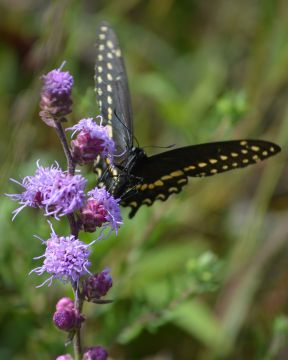
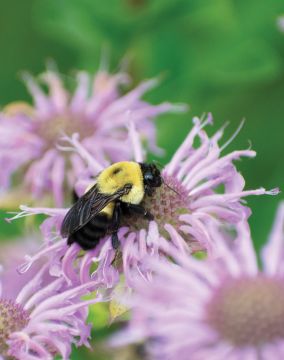
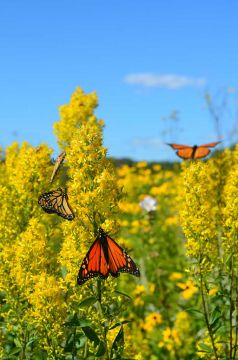
Native plant images shown above (left to right): Button Blazing Star, Wild Bergamot, Showy Goldenrod.
The Monarch Zones program offers another way for individuals and communities to participate in conservation. With tools like the BioTent™ and expert support, participants can create smaller-scale pollinator-friendly habitats right in their yard, while experiencing the wonder of raising monarch butterflies and contributing to their conservation. It is an invitation to learn through action and to see firsthand how one person’s care for native habitat can support something much larger.
Monarch Research’s work also extends beyond gardens and prairie plantings. Programs such as Planting Forward help rebuild Linn County’s native tree canopy, while addressing the important role native trees play in providing vital pollinator habitat. When we think of pollinators, we often associate them with characteristics of their foraging habitat; seeking out flowers with a good source of pollen and nectar. But woodland areas are just as important for non-foraging behaviors such as building underground nest sites or finding safe overwintering locations. Together, these efforts help create a more resilient community - one with more connected habitat for wildlife.
Taking Action: Small Steps Lead to Lasting Change
Rusty Patched Bumble Bees may not get as much attention as butterflies, but they are vital pollinators. Through “buzz pollination,” they vibrate flowers to release pollen – a process many native plants and food crops need to reproduce. By supporting these bees and the habitat they rely on, we can help protect biodiversity and the food crops people depend on.
The Rusty Patched Bumble Bee does not need one person to restore an entire ecosystem. It needs many people to make space for native life wherever they can: a flowering border instead of more lawn, a native tree planted for the next generation, fewer pesticides, milkweed for monarchs, or a small pollinator garden that blooms from spring through fall.
Each choice may seem small. But together, those choices can create a community where endangered species have a better chance to recover, pollinators can find the resources they need, and future generations can experience the beauty of their community alive with butterflies, bees, birds, and native plants.
Learn how to create habitat at home, raise monarchs, plant native trees, or support habitat restoration across Linn County through Monarch Research’s programs.
-----------------------------------------------------------------------------------------------------------------------------------------------------------------------
Read the full press release about the Rusty Patched Bumble Bee sighting on the Monarch Research property here.